Friday, July 10, 2015

Engyo-ji


On the morning of  July 10, I was supposed to head back to Tokyo by bullet train.

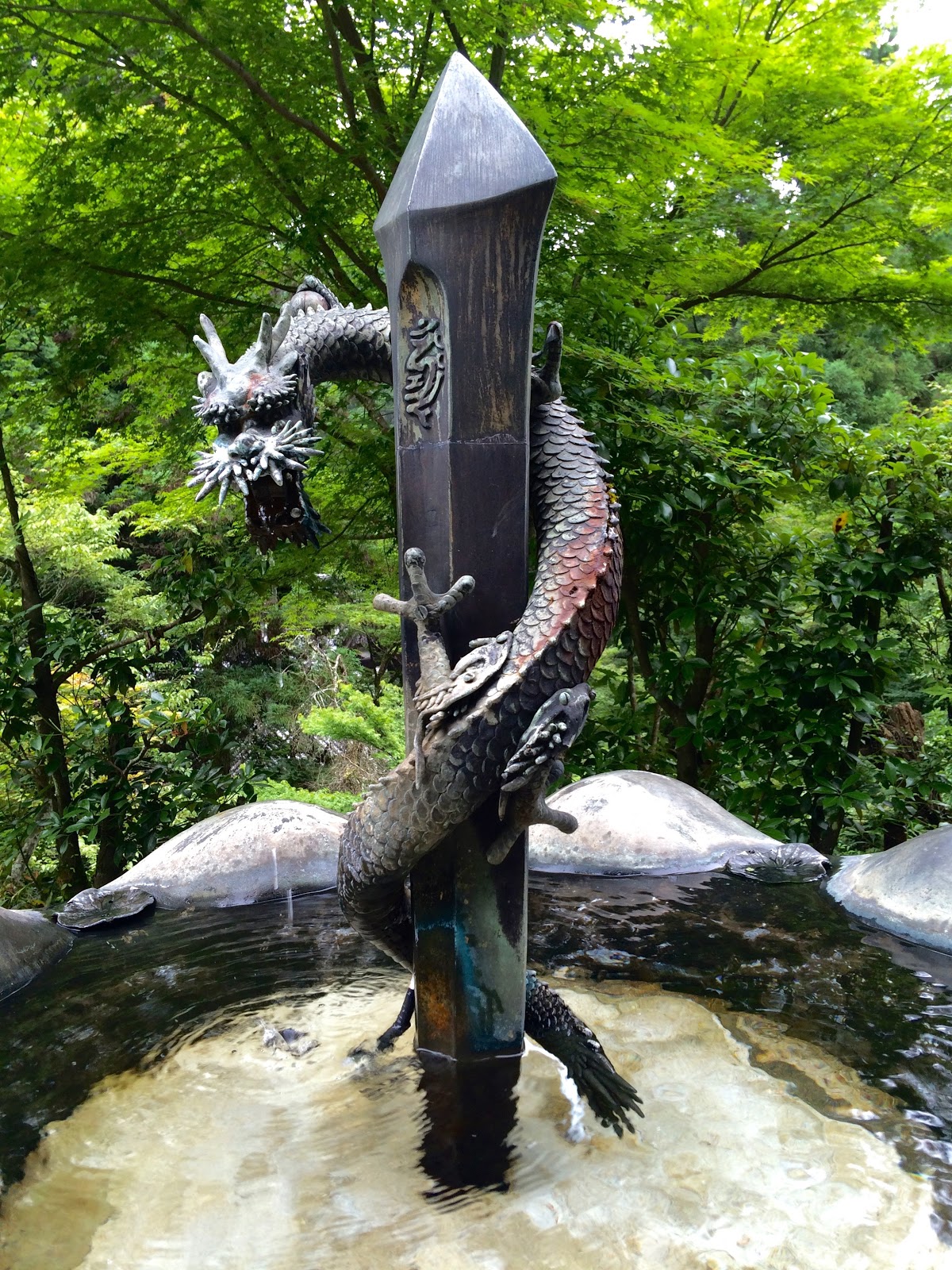
Instead, I headed off to Engyo-ji, a temple complex with over 1,000 years of history located near Mount Shosha (Shoshazan). The temple is famous in the west because of its use in the film “The Last Sammuri.” 

After taking a 30 minute bus ride from Himeji Station, I rode a cable car to the top of the mountain. 

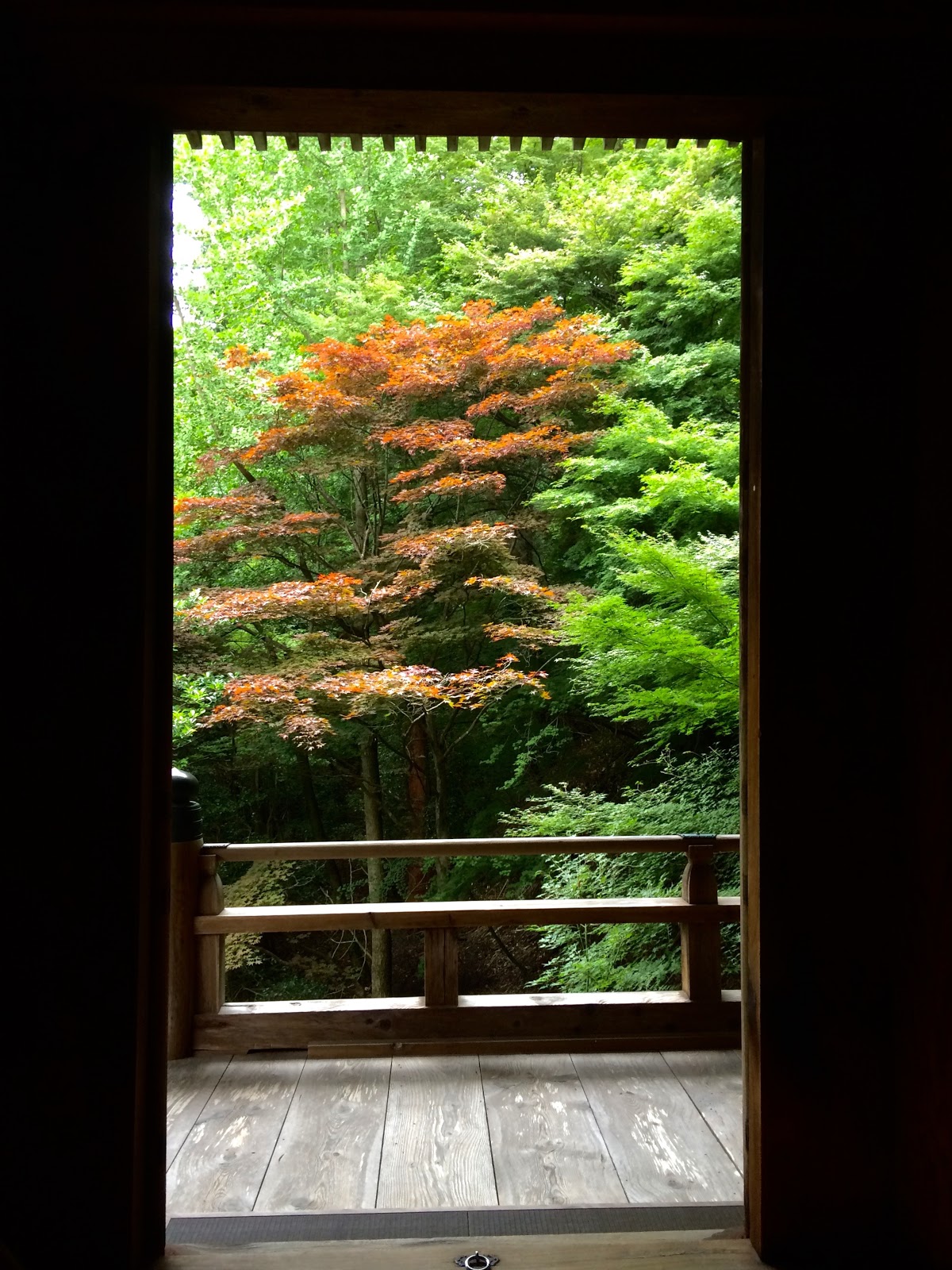
I eventually made my way to the Maniden, a beautiful wooden temple hall. A walk through the woods eventually brought me to Mitsunodo, the main hall that was shown in the film.

Additionally, I also had an opportunity to glance at the Golden Buddha within the temple and listen to some morning prayer chants conducted by the monks. With no one else around, and being deep within a forested mountain area, it proved to be a profoundly moving experience.

In the afternoon, I finally made my way back to Tokyo.


Thursday, July 9, 2015

Koko-en


Koko-en is a recently (1992) constructed Japanese style garden. It sits on the site of the former feudal lords’ west residence. It consists of nine separate gardens designed in various styles from the Edo period.

Some of the gardens include the garden of the lord’s residence (featuring a pond with waterfall), tea garden, pine tree garden, bamboo garden, and flower garden.

The Souju-an, or Tea Ceremony House, was  a wonderful place to rest and take in some garden views. I was able to partake in some green tea and a light snack. The  interior of the house was elaborately designed and contained many traditional architectural features.

Overall, I enjoyed Koko-en. Surprise and excitement awaited around every corner and through every gate, leaving me with a exhilarated sense of anticipation of what was to come next. I was never disappointed.