Showing posts with label Kyoto Attractions. Show all posts

Tuesday, July 7, 2015

Kyoto to Osaka


On the evening of July 6, I decided to visit the top of Kyoto Tower. I wanted to see the Kyoto skyline at night. I was not disappointed. 

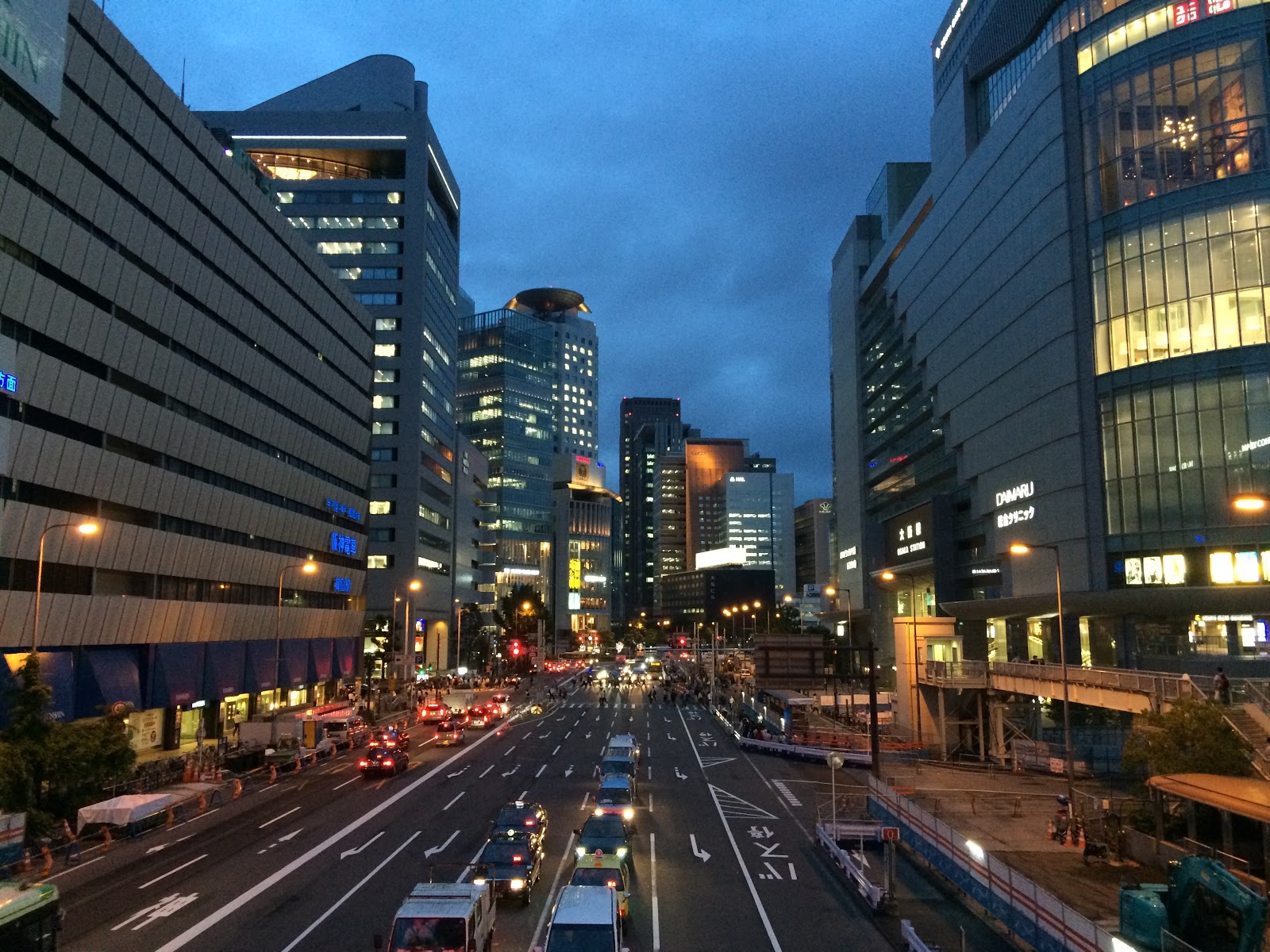
The next morning,  July 7, I made my way to Kyoto Station and headed by train to Osaka. The journey took about 75 minutes to complete. Upon arrival I made my way to the Drop Inn Osaka hostel, a short walk from the central train station. The hostel was very comfortable, clean, and had a very nice common area.

Once settled in, I made my way over to the  Umeda Sky Building, a spectacular high rise in the Kita district and a short walk from the hostel. The building consists of two main towers connected by a “Floating Garden Observatory” on the 38th floor. The elevator and escalator rides were unnerving and exciting at the same time, and the views from the observatory were incredible.

In the evening I ventured over to the HEP FIVE building to ride on the red ferris wheel located on its roof from which I had great night views of the Osaka city skyline.




Monday, July 6, 2015

Nijo-jo


Nijo Castle was built in 1603 as the Kyoto residence of the Shogun Tokugawa Ieyasu. After the collapse of the Tokugawa Shogunate in 1867, the castle was used as an imperial palace. Today, the palace buildings are considered to be one of the best surviving examples of feudal castle architecture.

After entering the first circle of defense, one passes through the Chinese style Karamon Gate. Just beyond is the entrance to the Ninomaru palace. This palace was the residence of the Shogun while visiting Kyoto. Separate buildings within are connected via corridors with so called nightingale floors - floors that intentionally squeak as a security against intruders. 

The Ninomaru gardens are a traditional landscape garden with a large pond, ornamental stones, and manicured pine trees. The five story castle keep no longer stands, having been destroyed by fire, but one can climb its stairs and foundation for a great view of the inner circle of defense where the current Honmaru Palace now sits. This palace is not open to the public and is still used by the current Emperor.


Sunday, July 5, 2015

Kiyomizu-dera


Kiyomizu-dera (“Pure Water Temple”) was founded in 780 and is best known for its stage that juts out from the main hall, on 139 wooden pillars, 43 feet above the hillside below. The views of Kyoto from the stage are incredible.

The entrance to Kiyomizu-dera is located at the end of the steep approach from the Higashiyama District, known as Chawan-zaka (Teapot Lane). The popularity of that district and the temple ensured it was very crowded on the Sunday I visited.

The Otowa-no-taki (“Sound of Feather”) Waterfall is located at the base of  Kiyomizudera’s main hall.  The water is divided into three streams with different benefits: longevity, success at school, and fortune in love.

A three-storied pagoda is located among the trees at the southern end of the temple grounds, a visit to which ensures safe childbirth.


Higashiyama


The Higashiyama District is located along the slopes of Kyoto’s eastern mountains. it is one of the best preserved historic districts in the city. 

There are plenty of shops designed in the authentic style of the old capital - streets have been paved in a traditional style and telephone poles removed. 

The shops and restaurants of Higashiyama cater to tourists and religious pilgrims, as they have done for centuries. I made the mistake of visiting here while temple hopping on a Sunday afternoon - it was crowded beyond imagination.  Nevertheless, there are numerous temples and shrines in this area making it a worthwhile adventure.


Traversing the narrow lanes and climbing the many stairs eventually brings one to the end of Chawan-zaka (Teapot Lane) and the entrance to  the Kiymizu-dera temple (covered in Volume III).