Friday, July 3, 2015

Tenju-an


A few steps away from Nanzen-in was the Tenju-an Temple. This sub temple of Nanzen-ji is dedicated to the Zen master who served Emperor Kameyama in his studies. The main hall, gate, and study date back to the early 17th century. 


There are two main gardens, a rock garden and pond garden on the grounds. The pond garden, or “south garden,” has two small waterfalls and is characterized by stepping stones and bridges that traverse the water. The rock garden, or “east garden,” contains a footpath of large square stones which were once part of the original temple complex. 


Nanzen-in


Nanzen-in Temple is one of Nanzen-ji's subtemples that is open to visitors. 

The subtemple is adjacent to the Nanzen-ji Hojo on an elevated hill. In order to get there, one climbs a set of stairs on the opposite side of a 93 mile-long Western-style brick aqueduct that was built in 1890 during the Meiji period.

Originally the retirement villa of the Emperor Kameyama (1274), the site now includes the emperor’s mausoleum, a temple hall, and pond garden. 

This was one of the smallest gardens I visited, the centerpiece of which was the pond with waterfall and a short trail that circled the outer edge. 


There is also an impressive moss garden along  the west side of the temple hall.


Nanzen-ji


Nanzen-ji temple is located at the base of Kyoto’s forested Higashiyama mountains. It is one of the most important Zen temples in all of Japan.  

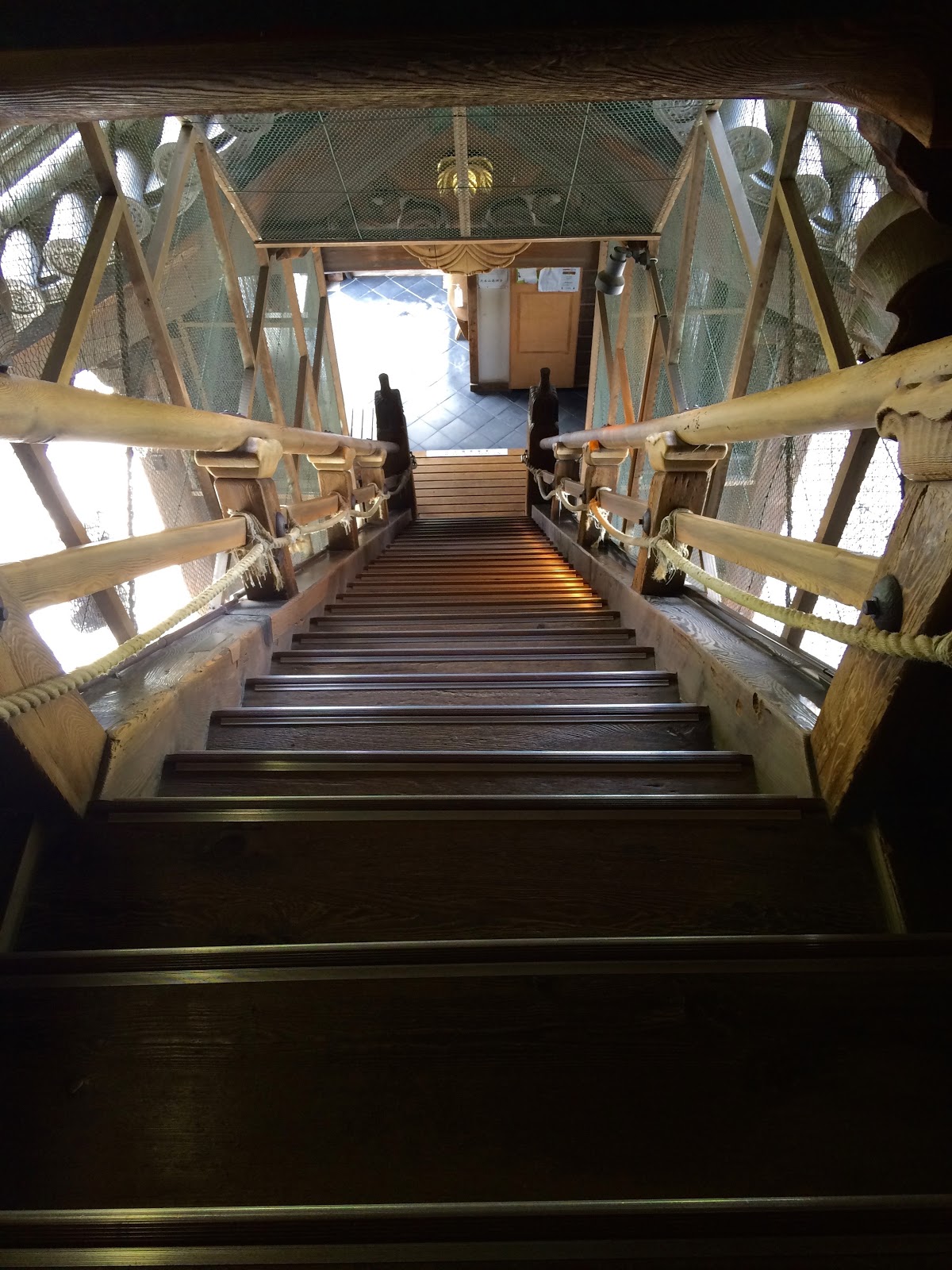
The Sanmon entrance gate, constructed in 1628,  was very impressive and I had the opportunity to enter and climb to its balcony for some incredible views.

The Hatto (Dharma Hall) was also very impressive, but not open to the public. However, the Hojo, or former residence of the head monk, was. Once inside, one can walk along  covered walkways and view the extensive rock gardens, the largest of which has rocks which are said to resemble tigers and cubs crossing through water. 


In addition, there is a tearoom with a view of a small waterfall. I took the opportunity to have some tea and a treat. Having arrived early in the morning, I had the garden to myself, and relaxed and enjoyed the tranquility of the tearoom and waterfall without interruption for over an hour.


Thursday, July 2, 2015

Ryogen-in


Ryogen-in is another of the two dozen subtemples of the Daitokuji temple complex. It was constructed in 1502 and its main building, the former residence of the head monk, is believed to be the oldest building within the Daitokuji complex. 

There are several different dry landscape gardens surrounding the building. The large raked gravel garden, known as Isshidan, in front of the Hojo represents the universe. The large round island of rocks and moss represents a turtle, while the two smaller rocks at the far end represent a crane, symbols of longevity and health - two symbols with which I could easily relate. The three stones in the center are linked to Horai-san, a mountain where spiritually awakened people live.

At the back of the building is another garden called Ryugin-tei. The largest rock at the center is named Shumisen-seki after an imaginary mountain believed to be at the center of the Buddhist world.